How long can dom drop last?

Dom drop can last anywhere from a few hours to several days after an intense BDSM scene, although the duration varies depending on the Dominant, the experience, and the circumstances surrounding it. A mild drop may disappear after food, sleep, emotional connection, and a day of recovery, while a stronger physical or emotional drop may persist for several days. Dom drop can also be delayed, with a Dominant feeling confident or energized immediately after a scene only to experience exhaustion, guilt, insecurity, sadness, or self-doubt later.
When Does Dom Drop Usually Start?
Dom drop doesn't necessarily begin as soon as a BDSM scene ends.
Immediately afterward, a Dominant might feel accomplished, energized, connected to their submissive, or pleased with how the experience went. They may still be riding the emotional and physiological intensity of the scene.
The drop can become noticeable later that evening, the following morning, or even days afterward. This delay can make it harder to recognize because the Dominant may not immediately associate their mood with a scene that happened previously.
Someone who suddenly feels unusually exhausted, irritable, insecure, or emotionally vulnerable a day or two after an intense scene may therefore want to consider whether Dom drop is contributing to how they feel.
What Affects How Long Dom Drop Lasts?
There isn't a standard recovery period because different BDSM experiences demand different amounts of physical, mental, and emotional energy.
A long or physically demanding scene can leave a Dominant tired, sore, hungry, or depleted. Lack of sleep, dehydration, inadequate nutrition, work stress, or other demands on their body can potentially make that recovery more difficult.
The psychological intensity of the experience matters too.
Dominance can require sustained concentration, decision-making, awareness, and responsibility for another person's well-being. Scenes involving particularly intense forms of consensual power exchange can also leave a Dominant processing complicated emotions afterward.
A Dominant might replay what happened, question their decisions, worry about their submissive, or experience guilt about activities that felt appropriate within the negotiated scene but conflict with how they would normally treat someone they care about.
Those psychological effects may take longer to process than the physical exhaustion itself.
Can Aftercare Help Dom Drop Pass Faster?
Aftercare isn't only for submissives. Dominants can benefit from intentionally planning for their own recovery as well.
Food, hydration, sleep, physical rest, affection, reassurance, and quiet time can help address immediate needs. Receiving feedback from the submissive can be particularly valuable for a Dominant whose drop involves worrying about whether their partner enjoyed the experience or whether they did something wrong.
Aftercare can also continue beyond the night of the scene. Checking in with each other the following day, discussing what went well, providing reassurance, and allowing time for reflection can help both partners process what happened.
Dominants who regularly experience delayed drops can plan for them in advance. If you know that intense scenes tend to leave you emotionally depleted two days later, for example, you can account for that recovery period rather than being caught off guard.
When Is It More Than Dom Drop?
Dom drop should generally be temporary. While there isn't an exact deadline for when someone should feel normal again, symptoms that are severe, persistent, worsening, or substantially interfering with everyday life shouldn't automatically be attributed to BDSM.
Likewise, recurring guilt or distress about particular activities may be worth examining rather than simply treating it as something to recover from after every scene. Sometimes uncomfortable feelings provide useful information about personal boundaries, values, or changes that should be made to future BDSM experiences.
For most Dominants who experience Dom drop, however, the effects gradually improve as their body and mind recover. Recognizing the pattern, attending to their physical needs, receiving reassurance and connection, and giving themselves adequate recovery time can make the experience much easier to navigate.

Master the 12 essential steps to become a good Dom—build the skills, mindset, and presence of a man she respects, desires, and willingly surrenders to—inside and outside the bedroom.
Learn MoreDeep Dive Article
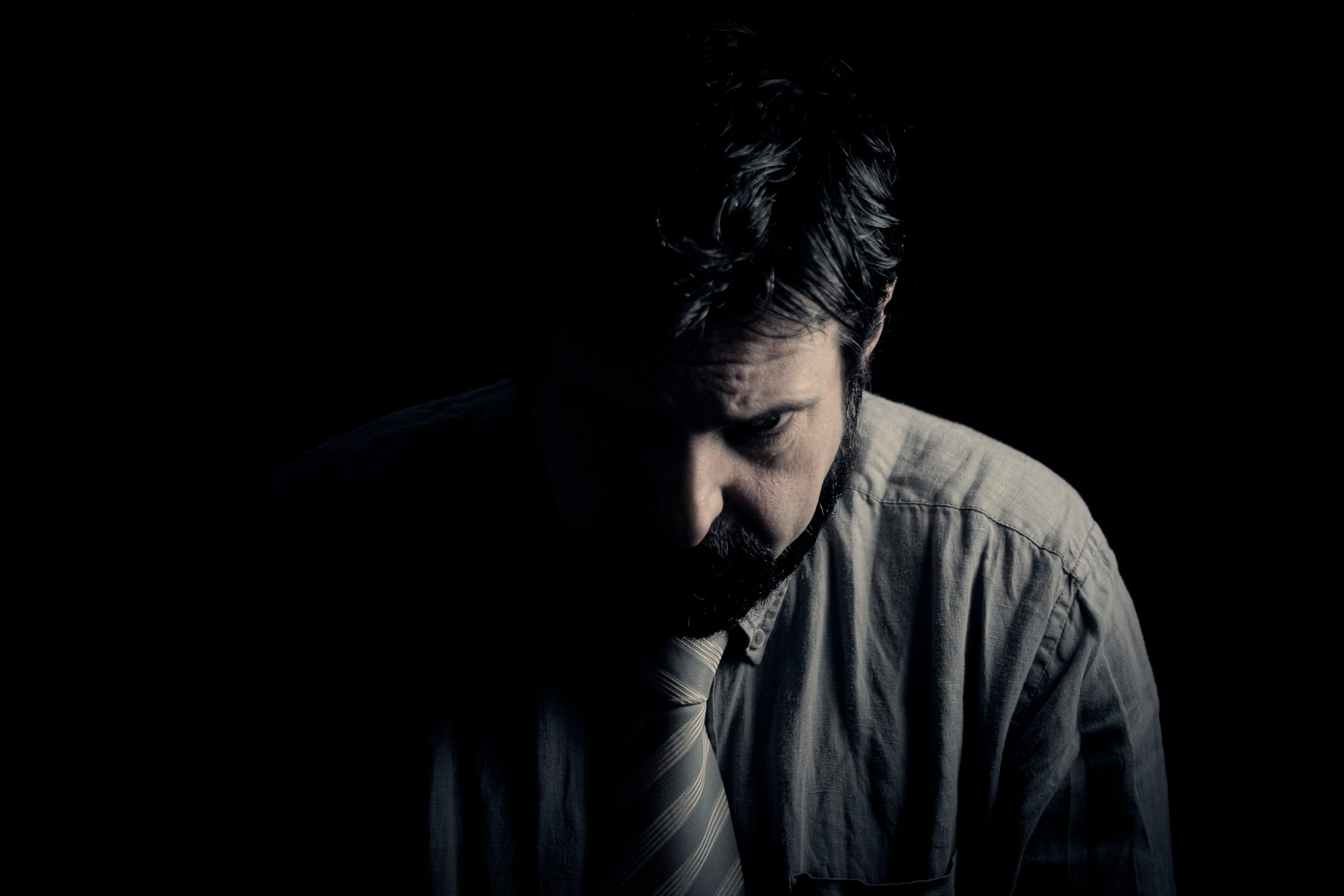
How to Deal with Dom Drop Mentally, Emotionally, and Physically
What is Dom drop, and why does it happen? Learn the mental, emotional, and physical signs of Dom drop, plus practical aftercare strategies for recovering after BDSM scenes.
Continue ReadingRelated FAQ
Dom drop is a physical, mental, or emotional low that a Dominant may experience after an intense BDSM scene or period of Dominance. It can include exhaustion, sadness, guilt, anxiety, insecurity, irritability, emotional vulnerability, or questioning whether they handled the experience correctly. Dom drop may result from the body's recovery after physical and psychological intensity, but it can also come from the emotional responsibility involved in leading a BDSM experience. It may occur immediately after a scene or emerge hours or days later, and its intensity varies considerably between Dominants and experiences.
Dom drop can feel like a physical, mental, or emotional crash after an intense BDSM scene, leaving a Dominant feeling exhausted, sad, anxious, guilty, insecure, irritable, or emotionally vulnerable. A Dominant experiencing Dom drop may replay the scene in their mind, question whether they made the right decisions, worry that they hurt or disappointed their submissive, or temporarily lose confidence in their ability to lead. Physical symptoms can include fatigue, soreness, low energy, and feeling generally depleted. Dom drop can occur immediately after a scene or appear hours or days later, and the experience varies considerably between Dominants.

